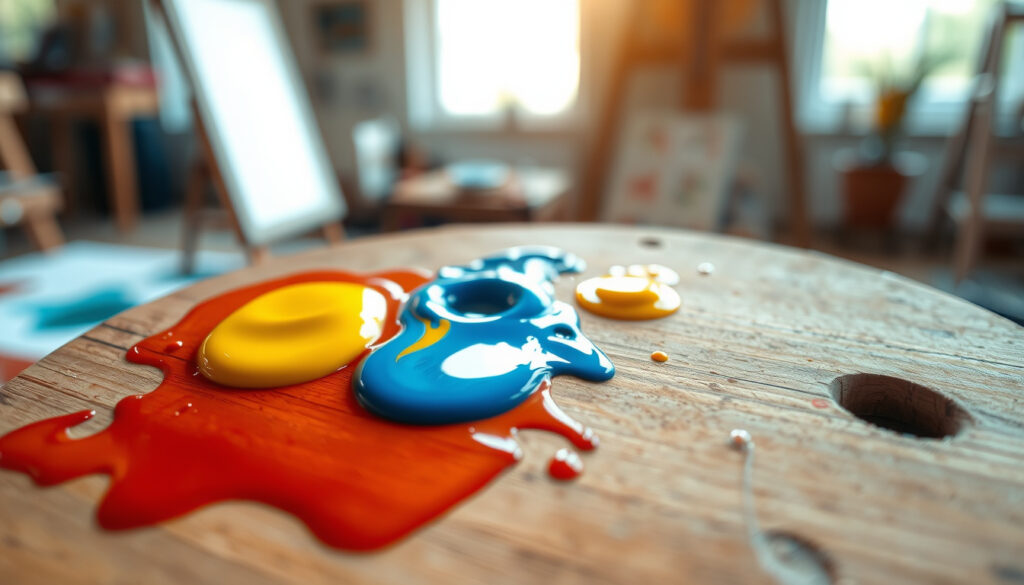
What Colors Make Brown – Step-by-Step Mixing Guide
Brown sits at the heart of countless artistic palettes, yet creating the perfect shade requires understanding color relationships. Whether you are a painter mixing pigments, a designer working digitally, or simply curious about color theory, knowing which colors combine to form brown opens up new possibilities for achieving realistic tones and natural-looking mixtures.
The science behind brown creation relies on two fundamental approaches: combining all three primary colors or mixing complementary pairs. Both methods produce brown, but each offers distinct advantages depending on your medium and the specific tone you aim to achieve. Artists have used these techniques for centuries, with the understanding that brown emerges when colors neutralize each other through opposition on the color wheel.
This guide explores the proven methods for creating brown, from basic two-color combinations to advanced techniques for achieving specific shades like chocolate and espresso. Each approach includes practical guidance backed by established color theory principles.
What Two Colors Make Brown?
Complementary colors—those positioned opposite each other on the color wheel—neutralize when mixed together, producing brown. This principle forms the foundation for creating brown with just two colors.
Core Complementary Pairs
Red + Green
Creates a muted, earthy brown tone
Orange + Blue
Produces a warm, rich brown
Yellow + Violet
Yields an earthy, natural brown
Magenta + Teal
Results in a cool, neutral brown
Key Insights for Two-Color Mixing
- Brown is fundamentally a complementary mix—opposite colors on the wheel neutralize to create this neutral tone
- Ratios matter significantly: adjusting the proportion of one color shifts the resulting brown toward warmer or cooler tones
- Adding white paint creates lighter browns such as tan and beige
- Adding black deepens the mixture toward espresso and walnut shades
- Each complementary pair produces a slightly different base brown, allowing artists to control the mood before further adjustments
- Digital color mixing follows similar principles but uses different color models like RGB and HSL
Brown Mixing Reference
| Mix Type | Colors Used | Resulting Tone |
|---|---|---|
| Two-Color Complementary | Red + Green | Muted, classic brown |
| Two-Color Complementary | Orange + Blue | Warm brown |
| Two-Color Complementary | Yellow + Violet | Earthy, natural brown |
| Three-Color Primary | Red + Yellow + Blue | Standard brown |
| Darkening Addition | Brown + Black | Dark brown |
| Lightening Addition | Brown + White | Tan, beige |
What Primary Colors Make Brown?
The most reliable method for creating brown involves combining all three primary colors: red, yellow, and blue. When these colors meet in roughly equal proportions, they cancel each other out, producing a neutral brown. This technique has been used by artists for centuries and remains the foundation of traditional painting education.
The Three-Color Method Explained
Mixing primary colors to create brown follows a straightforward principle: when red, yellow, and blue combine in balance, their intensity reduces while their tones merge into brown. The classic recipe for brown mixing starts with equal parts of each primary color, then adjusts from there based on the desired outcome.
Combining red, yellow, and blue in roughly equal proportions neutralizes each color’s intensity, resulting in a natural brown tone. The specific red, yellow, and blue pigments you choose will affect the warmth or coolness of the final brown—for instance, using a cooler blue like cerulean produces a different result than ultramarine.
Why the Three-Color Method Works
The effectiveness of this approach lies in color theory itself. Primary colors are called “primary” precisely because they cannot be created by mixing other colors. When all three primaries combine, they absorb light across the spectrum, creating a neutral, desaturated result that our eyes perceive as brown.
Using classic Cadmium red, Cadmium yellow medium, and cerulean blue produces reliable, warm browns. Replacing any of these with modern pigments may yield different results.
How to Mix Brown Paint
Successfully mixing brown paint requires understanding your materials and following a systematic approach. Whether working with acrylics, oils, or watercolor, the principles remain consistent while techniques adapt to each medium’s properties.
Essential Materials
- Acrylic or oil paint in red, yellow, blue, and opaque white
- A palette with adequate space between color dollops
- A palette knife for thorough mixing
- A clean paintbrush for application
- Water for washing brushes (if using acrylic or watercolor)
- Paper towels for cleaning and wiping
Step-by-Step Mixing Process
Begin by placing small amounts of your chosen primary colors on the palette. For the complementary method, position orange and blue (or red and green) opposite each other. For the three-color method, arrange red, yellow, and blue in a triangle formation.
Use your palette knife to pull colors toward each other gradually. Work in small circles, incorporating more pigment with each pass. As the colors blend, watch for the point where they neutralize into brown. Painting instruction resources indicate that this transition typically happens when the colors reach a desaturated, neutral state.
Troubleshooting Common Issues
If your mixture appears too warm, add a touch of blue to cool it down. If the result looks too muddy or brown overall, you likely have too much yellow—introduce more blue to balance the mixture. The goal is achieving a brown that reads clearly as brown rather than leaning too heavily toward any single hue.
Adding too much of any one color at once can push the mixture too far in one direction. Make adjustments gradually, testing the result against a reference or your memory of the target tone.
Variations: Dark Brown and Chocolate Brown
Once you have mastered basic brown, adjusting toward specific shades becomes a matter of strategic additions. Dark browns and chocolate browns require understanding which colors deepen the mixture without introducing unwanted hues.
Creating Darker Browns
To achieve darker browns, add small amounts of black paint gradually. Black deepens the mixture while maintaining the brown base, creating rich tones suitable for shadows, wood grains, and dark accents. Alternatively, adding more of the cooler primary colors—blue or red—can also deepen the brown without the intensity of black.
Warm Browns for Chocolate and Coffee Tones
Chocolate browns lean warm, requiring additional red and yellow to push the mixture toward rich, inviting tones. These warm browns work exceptionally well for painting brick, warm wood tones, and organic subjects like tree bark in sunlight. When mixing chocolate brown, start with your base brown and introduce Cadmium red and yellow in small increments, testing frequently.
Cool Browns for Depth and Contrast
Cool browns—suitable for cool wood tones, wintry trees, and dark hair or fur—require adding blue paint gradually to your base brown mixture. If the mixture becomes too bluish, add more red and yellow to bring it back toward brown territory while retaining the cooler character.
For lighter browns, add white paint gradually to your basic brown mixture. Touches of red or yellow create warmer light browns, while blue creates cooler light browns. Test each addition before committing to larger quantities.
Brown Across Different Media
Brown manifests differently across various artistic and digital media, requiring adjusted approaches depending on your tools and context.
Physical Paint vs. Digital Color
Traditional paint mixing relies on subtractive color theory, where pigments absorb light wavelengths. Digital color uses additive systems like RGB, where colors combine by emitting light. In digital environments, brown typically results from low-saturation versions of warm colors combined with reduced lightness values.
Pigment-Based Limitations
No single “exact” mix produces brown universally. Pigment differences between brands, ages of paint, and environmental conditions all affect results. Testing small batches before committing to larger quantities helps avoid wasted materials and unexpected outcomes.
Brown produced by mixing pigments will never perfectly match brown created through digital processes. Always test physical paint mixes against digital references when matching is critical.
The Science Behind Brown Creation
Understanding the color wheel theory clarifies why complementary mixing produces brown. When two complementary colors—those directly opposite each other on the wheel—combine, they absorb each other’s wavelengths, resulting in reduced saturation. This desaturation creates the neutral, earthy appearance we recognize as brown.
Color theorists have long studied these relationships. Understanding how complementary colors interact proves essential for controlling color mixing in painting. This knowledge helps prevent unwanted color shifts—for example, when painting a sunset with complementary colors like blue and orange, mixing them too much turns the gradient brown instead of maintaining the intended color transition.
Color wheel theory resources confirm that brown emerges from controlled saturation reduction rather than from any single pigment combination.
“Brown is the most difficult color to handle in the whole range of color, because to get brown you have to bring together the three primaries in such a way that they neutralize each other.”
— Color Theory Principles from Traditional Painting Instruction
Summary
Creating brown ultimately relies on two proven approaches: combining complementary colors or mixing all three primary colors. Both methods produce brown, but each offers distinct advantages depending on your medium and desired outcome. Complementary mixing (red-green, orange-blue, yellow-violet) provides quick results with specific tonal characteristics, while the three-color primary method offers a more neutral, versatile foundation for further adjustments.
Mastering brown requires experimentation and attention to ratios. Small adjustments in proportions shift the resulting tone toward warmer or cooler variations, lighter or darker shades. For additional guidance on home improvement projects, see our How to Install Bathtub Faucet – Step-by-Step DIY Guide or explore more Canada 411 Reverse Lookup – Free Guide Steps and Tips.
Frequently Asked Questions
What two colors make brown besides red and green?
Orange and blue create a warm brown, while yellow and violet produce an earthy brown. Each complementary pair yields slightly different brown tones.
Do red, yellow, and blue always make brown?
When combined in roughly equal proportions, these three primary colors neutralize each other to create brown. Unequal proportions produce different tones that may still appear brownish.
How do you make brown lighter?
Adding white paint gradually creates lighter browns such as tan and beige. Adding more yellow or red produces warmer light browns, while blue creates cooler variations.
What colors make dark brown?
Adding black to your base brown mixture deepens it toward dark brown shades. Adding more blue or red also darkens brown without the intensity of pure black.
Can you make brown with just two colors?
Yes, any complementary color pair—colors opposite each other on the color wheel—produces brown when mixed together.
What colors make chocolate brown?
Chocolate brown requires adding extra red and yellow to your base brown mixture to achieve warm, rich tones. Start with a standard brown and adjust warm pigments incrementally.
Why does mixing colors sometimes make mud instead of brown?
When too many colors combine in unequal proportions, the mixture loses clarity and becomes muddy. Stick to complementary pairs or three primaries in balance for clean browns.
Does digital color mixing work the same as paint?
Digital color uses additive mixing (RGB) while paint uses subtractive mixing (pigments). Brown in digital contexts typically requires low saturation with warm undertones and reduced lightness.
More related posts
 Are Stores Open Today? Ireland Bank Holiday Guide
 When Is Mother’s Day 2026? Ireland, UK & Global Dates
 When Is Eid Al Fitr 2025 – Predicted Dates by Country
 Edmonton Mayoral Election 2025: Winner Andrew Knack and Results
 Cole Escola: Pronouns, Bon Clay Casting, Tony Awards & More
 Valley First Credit Union: Phone, Locations, Login & More
 Who Is Playing Hockey Tonight? NHL Games & TV (May 2026)
 Canadian Dental Care Plan Application – How to Apply and Check Status